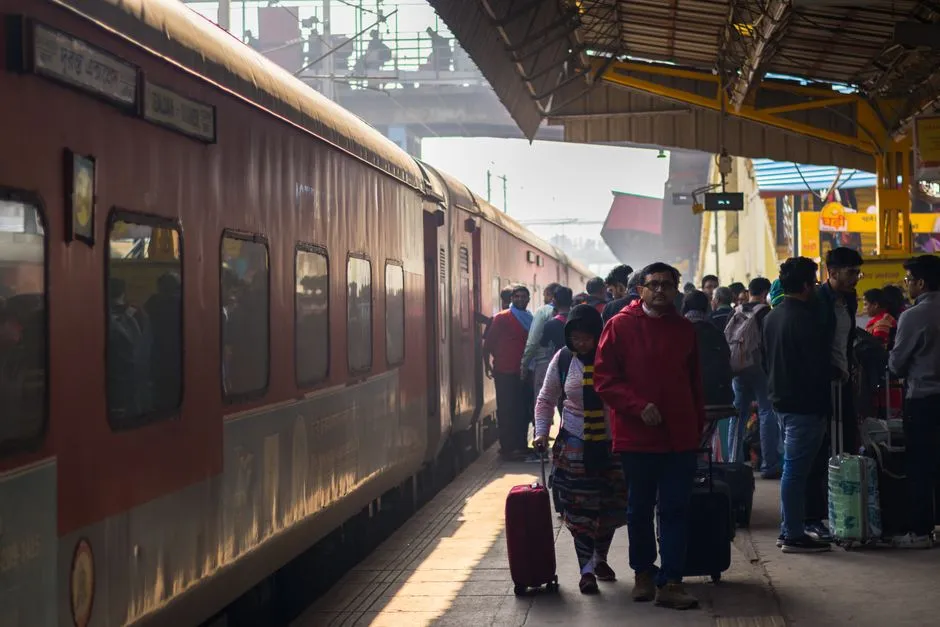
Long-distance American train travel has its own folkways. Here is a tactical checklist of things experienced riders learn through practice that first-timers can adopt before boarding.
- Arrive early — but not too early. Boarding usually opens 15–20 minutes before scheduled departure. Show up 30 minutes ahead at staffed stations to handle baggage; 10 minutes ahead at platform-only flag stops.
- Travel light or check your bag. Overhead luggage racks in coach are tight. Two carry-ons of 50 pounds each is generous, but you have to lift them. Free checked baggage is available at most large stations.
- Quiet Car. Most Acela and Northeast Regional trains, and many Pacific Surfliner and Cascades trains, designate one car as Quiet — no phone calls, no speakerphone, hushed conversation only. Sit there if you want to work or sleep.
- Reserved versus unreserved coach. All long-distance and most corridor coach is unreserved within fare bucket — you choose any open seat at boarding. Northeast Regional and most state-supported services are also unreserved coach. Acela is fully reserved.
- Sit on the right side, southbound. The classic rule of route guides: scenic features on long-distance trains are usually on a specific side — Mississippi River on the City of New Orleans westbound; Pacific Ocean on the Coast Starlight southbound between San Luis Obispo and Vandenberg; Hudson River on the Empire Service northbound. Consult a scenic seating guide before boarding.
- Charge before boarding. Outlets are plentiful but Wi-Fi is not. Download offline content.
- The Sightseer Lounge is first-come. On Superliner long-distance trains, the upper-level Sightseer Lounge with its signature wraparound windows is the most desirable space onboard. It opens after the dining car closes between meal periods.
- Cafe car opens late and closes early. Typically 30 minutes after departure and 30 minutes before final arrival.
- Smoke breaks. Long-distance trains schedule fresh-air stops at major stations (Albuquerque on the Southwest Chief, Whitefish on the Empire Builder, Reno on the California Zephyr). Smoking onboard is prohibited; exterior platform smoking is permitted at fresh-air stops only.
- The conductor sees the manifest, not your ID. Adults need photo ID to board long-distance trains and most corridor services; the conductor asks for it during the first ticket check after boarding.
- Service recovery. If your train is more than two hours late, you are entitled to an Amtrak service-recovery eVoucher worth 25–100% of the fare paid. Email Amtrak Customer Relations after the trip with your reservation number.
- Tip the sleeping car attendant and the dining car staff. Customary 15–20% on dining bills (sleeping passengers eating "free" should still tip on a notional menu price), and $5–$10 per night for the attendant.
Getting started? If this is your first long-distance trip, pair this guide with the first-time rider checklist and skim the field guide to station types for what to expect when you arrive.